


Improved Performance & Power with EGR Delete Kits

An EGR delete kit removes the restrictive factory EGR system and typically includes removal of the EGR cooler as part of the process, stopping exhaust gas recirculation into the intake. This stabilizes intake airflow, reduces soot buildup, and prevents EGR cooler clogging.

Compared to a soot-filled system, the intake remains cleaner, delivering more consistent real-world performance for truck owners. EGR deletes reduce EGR-related stress on components and improve combustion efficiency. Diesel engines benefit from improved reliability and a lower risk of issues caused by heat and buildup, especially under tow and haul conditions.

Technical Specifications

  • EGR Valve Removal – Eliminates the restrictive EGR valve and EGR system, reducing intake contamination and improving airflow in diesel engines, with potential +5–15% power increase when combined with proper tuning.
  • Fuel Efficiency Gains – Installation of EGR delete solutions can deliver 5–10% fuel efficiency improvement depending on driving conditions and setup.
  • Coolant Line Reroute – Integrated lines modification allows proper reroute after EGR cooler removal, helping maintain stable engine temperatures and reducing coolant contamination risks.
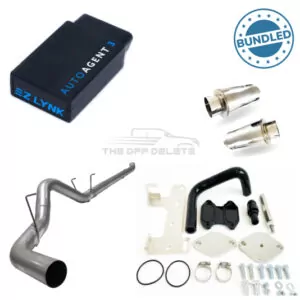
  • ECU Compatibility – Compatible with tuning solutions such as MiniMaxx, EZ Lynk, EFI Live, and SCT BDX, enabling code-free operation without fault codes when properly calibrated across supported diesel platforms.

By eliminating combustion gases recirculation, EGR deletes help stabilize and lower exhaust gas temperatures, reducing heat stress on the turbo and improving long-term reliability in heavy-duty use.

EGR Delete Kit: Target Components and Hardware

An EGR delete kit involves deleting or blocking multiple parts of the factory EGR system responsible for exhaust gas recirculation. This modification reduces soot buildup, limits hot exhaust entering the intake, and minimizes EGR-related maintenance issues. Understanding these components helps clarify how the system affects airflow, and overall engine operation. This is especially relevant when paired with DPF and CCV modifications as part of an all-in-one setup.

Below are the key components involved in the EGR system that are modified, deleted, or replaced when installing EGR delete kits:

Removed Components:

  • EGR Cooler – Transfers heat from exhaust gases to the coolant before they re-enter the inlet system. Removed to reduce heat load and minimize the risk of coolant contamination.
  • EGR Valve (with integrated actuator) – Controls exhaust gas flow into the intake. Disabled or removed to fully stop recirculation.
  • EGR Pipe / Feed Tube / Up-Pipe Connection – Routes exhaust gases from the exhaust manifold to the EGR. Removed or disconnected depending on engine design.

Modified or Blocked Components:

  • Intake Manifold Passage – Internal intake channel where exhaust gases re-enter the airflow. Not a standalone component; sealed using block-off plates to prevent contamination.
  • EGR Temperature Sensor – Monitors temperatures within the EGR circuit. If present, may require calibration adjustment or be disabled in tuning, as some platforms do not use it.
  • ECU (Engine Control Unit) – Controls EGR operation and requires calibration to disable related functions.
  • Coolant Lines (EGR Cooler Circuit) – Circulate coolant through the EGR cooler. Rerouted or bypassed after cooler removal to maintain proper cooling system operation.

Additionally, EGR architecture varies across diesel platforms, affecting component layout and delete kit design:

  • 6.7 Cummins – External EGR routing with a simpler, more accessible layout
  • 6.7 Powerstroke – More integrated system with a combined EGR cooler and valve assembly
  • 6.6 Duramax – Compact system with tighter component packaging and limited space

Vehicle Fitment

EGR delete kits are engineered as vehicle-specific solutions to support each truck’s full potential by eliminating exhaust gas recirculate flow and stabilizing intake airflow across different diesel engine platforms.

Below are the diesel models and engine configurations for which EGR delete kits are available in the catalog:

  • GM/Chevy Duramax – 2.8L LWN (2016–2019), 3.0L LM2 (2020–2022), 6.6L LLY/LBZ (2004.5–2007), 6.6L LMM (2007.5–2010), 6.6L LML (2011–2016), 6.6L L5P (2017–2025) (Pickup models)
  • Ford Powerstroke – 6.0L (2003–2007), 6.4L (2008–2010), 6.7L Powerstroke (2011–2026), 3.0L Powerstroke (2018–2020) (Pickup & Cab & Chassis models)
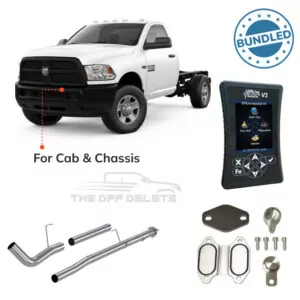
  • Ram Cummins – 6.7L Cummins (2007.5–2024) (Pickup & Cab & Chassis models)
  • Jeep / Ram EcoDiesel – 3.0L EcoDiesel (2014–2019)

These configurations are intended for off-road and competition use, where modifying emissions systems is permitted.

How to Choose an EGR Delete Kit

  • Identify your diesel vehicle, engine type, and usage (including trailer towing or heavy loads) to find the right solution.
  • Check compatibility with your vehicle and existing systems; note that modifying emissions components may affect warranty coverage.
  • Consider additional upgrades like airflow-related upgrades that improve overall engine efficiency
  • If needed, consult our support team for assistance.

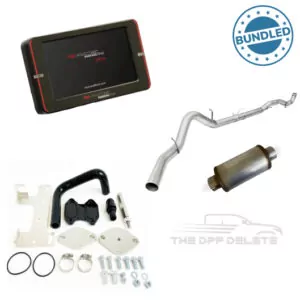
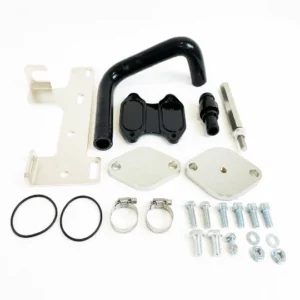
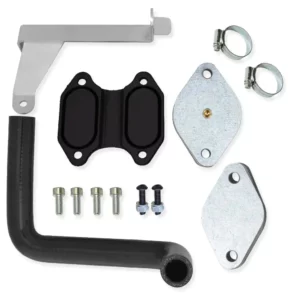
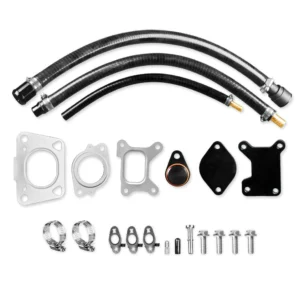
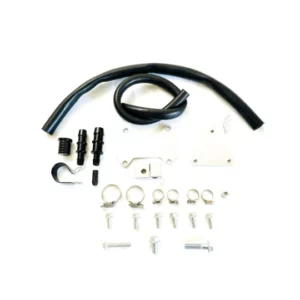
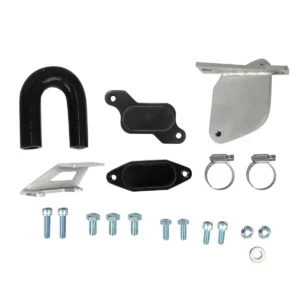
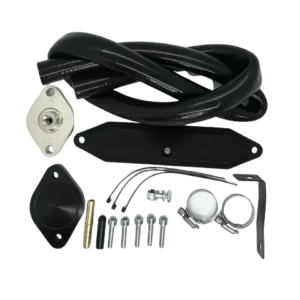
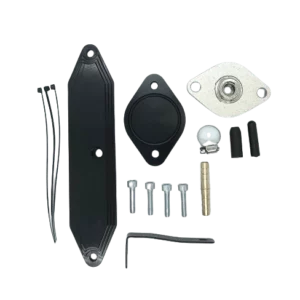
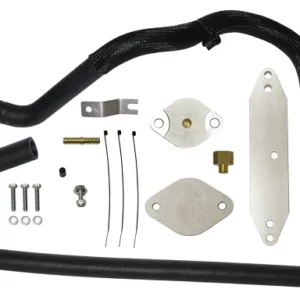
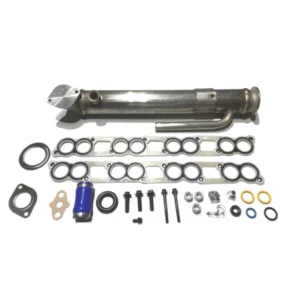
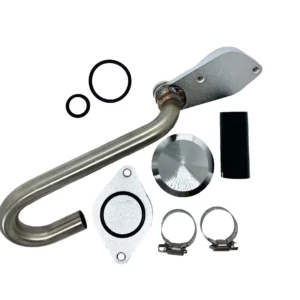
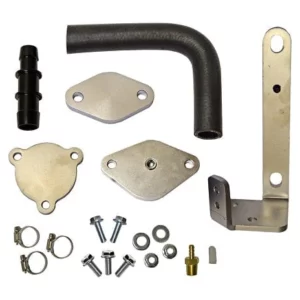
A typical EGR delete kit includes the hardware required to safely complete the removal:

  • Block-Off Plates – Seal intake and exhaust ports after EGR removal
  • Coolant Bypass / Reroute Components – Maintain proper coolant flow after EGR cooler removal and help prevent leaks
  • Hardware & Fittings – Gaskets, clamps, plugs, and necessary mounting components

Frequently Asked Questions (FAQ)

Do you need a tune after an EGR delete?

Yes, a tune is typically required after performing an EGR delete. This ensures that the ECU properly adjusts for the removal of the EGR. Without calibration, throttle response and fuel economy may not improve as expected. It is essential for unlocking the full potential of your modifications.

Can EGR delete cause check engine light without proper setup?

Yes, if the EGR delete is not performed correctly, it can trigger a check engine light. This usually happens due to unaddressed trouble codes related to the deleted sensors. Proper setup with EFI Live or similar products can help avoid these issues.

What fault codes does an EGR delete kit prevent?

ECU tuning is required to disable egr-system trouble codes such as P0401 (EGR Flow Insufficient). It addresses egr-specific faults that stem from egr valve or cooler issues, ensuring a code-free experience.

Does an EGR delete increase engine life?

Yes, by preventing soot buildup and reducing hot exhaust, an EGR delete can contribute to engine longevity. By maintaining clean air in the engine, it helps minimize wear, thus preventing premature engine failure.

Does an EGR delete cause black smoke?

Not necessarily. If properly optimized, an EGR delete does not typically cause increased soot or black smoke. However, if the tune is not done correctly, exhaust gas recirculation changes may lead to incomplete burning, causing smoke.

Will fuel economy improve?

Yes, many diesel owners report a 5–10% improvement in fuel economy after an EGR delete, depending on driving conditions and tuning setup. By improving air flow and optimizing combustion, it may help reduce strain on the cooling system and support overall efficiency.

Is it legal for street-driven diesel trucks?

No, EGR delete is not legal for street-driven diesel trucks in many states due to state emissions regulations. These kits are primarily intended for off-roading and race competition use only.

Can I install an EGR delete without deleting the DPF?

No, an EGR delete kit is typically installed alongside a DPF delete. The factory systems are interconnected, and deleting only the EGR while keeping the DPF in place can lead to improper operation. For best results, a full delete kit is usually recommended.

Can I install an EGR delete kit on a truck that already has the DPF removed but still has a stock EGR system?

Yes, if your truck already has the DPF deleted but still uses the factory system, installing an EGR delete kit can help complete the setup. This ensures proper air-flow, reduces soot buildup in the intake, and allows the engine to operate more efficiently with the existing modifications.

Disclaimer

For Off-Road/Racing Use Only: Products on this online store are for OFF-ROAD and RACE Use Only. They may not be legal on public roads due to emissions laws.

Check Your Local Laws: Before buying or installing, please check your local laws. Using them on public roads сan violate emissions regulations.

Shopping cart0
There are no products in the cart!
Shipping Shipping Calculator
3-5 days delivery
Estimate shipping rates