


Products are displayed in custom order for this category.

34 products

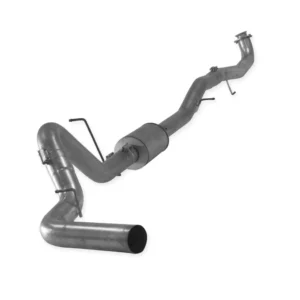
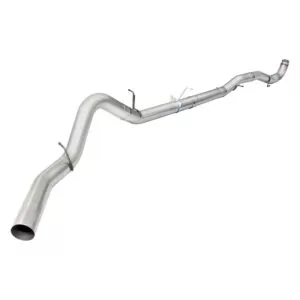
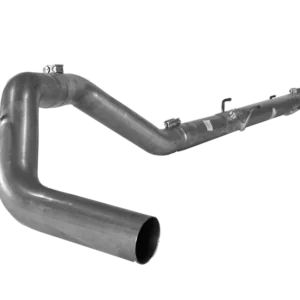
Exhaust systems & kits | Boost performance & efficiency

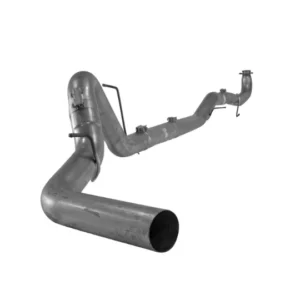
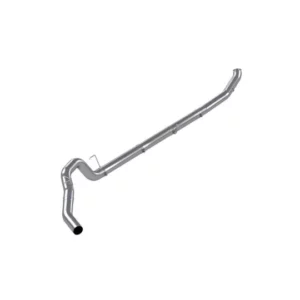
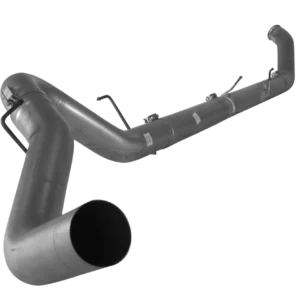
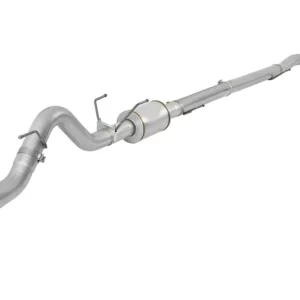
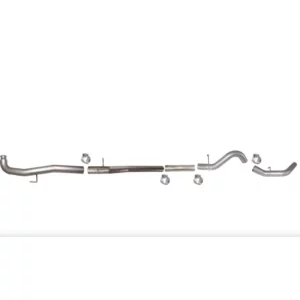
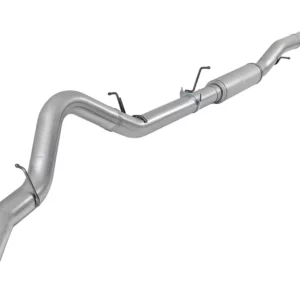
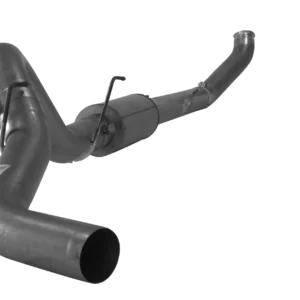
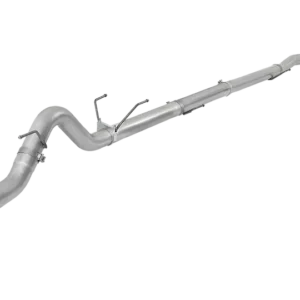
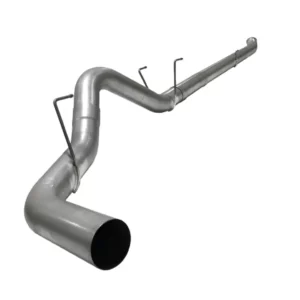
Diesel exhaust systems are engineered to channel exhaust gases from the engine to the tailpipe, thereby minimizing flow restrictions. Factory setups often include tight bends, small-diameter piping, and a catalytic converter, which adds backpressure, reducing performance and increasing heat under load on tuned or hard-working trucks.
Replacing restrictive factory sections with a performance exhaust improves exhaust flow. This results in a more stable turbo response and better heat control under load. Our comprehensive range of systems is compatible with various models of Ford Powerstroke, Ram Cummins, and Chevy/GMC Duramax trucks spanning multiple years.

Key performance specifications

Diesel exhaust systems can endure high EGT, boost pressure, and sustained thermal loads. Mandrel-bent tubing has a consistent diameter and smooth flow, without crimp points or choke zones.

Key design specs include:

  • Material – T409 stainless steel, corrosion-resistant, TIG-welded seams
  • Diameter options – 4″ or 5″ tubing, depending on platform and fitment
  • System types – turbo-back, and downpipe-back layouts
  • Configuration – single exit
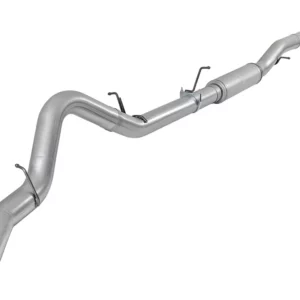
  • Mounting – direct-fit to OEM exhaust system points, includes brackets and hangers

These components are intended for off-road applications. Pipe design maintains smooth exhaust flow from the turbo outlet to the tail section.

Fitment & vehicle compatibility

This exhaust collection covers the most common diesel engine platforms and is built around direct-fit layouts. Each system follows factory routing and accounts for cab length, bed size, and chassis configuration. Assemblies reuse OEM mounting points, so installation does not require cutting or welding.

Ford Powerstroke applications include:

  • 6.0L Powerstroke (2003–2007)
  • 6.4L Powerstroke (2008–2010)
  • 6.7L Powerstroke (2011–2026)
  • 3.0L Powerstroke (2018–2020)
    Supported models cover F250, F350, F450, and F550 Super Duty trucks.

RAM Cummins platforms:

  • 6.7L Cummins engines from 2007–2024
    Systems are available for the 2500/3500/4500/5500 pickup and C&C trucks.

GM and Chevy Duramax coverage:

  • 6.6L Duramax LLY, LBZ, and LMM (2004–2010)
  • 6.6L Duramax LML (2011–2016)
  • 6.6L Duramax L5P (2017–2025)
  • 3.0L LM2 Duramax (2020–2022)
  • 2.8L LWN Duramax (2016–2021)
    Fits Silverado and Sierra HD 2500HD and 3500HD models.

Additional platforms:

  • Ram EcoDiesel 3.0L (2014–2023)
  • Jeep Wrangler/Gladiator EcoDiesel 3.0L (2020–2023)
  • Jeep Grand Cherokee EcoDiesel 3.0L (2014–2023)
  • Mercedes Sprinter 3.0L diesel vans (2010–2023)
  • Nissan Titan XD 5.0L Cummins (2016–2018)

Benefits

A properly matched exhaust system improves how the truck behaves under real operating conditions, not just peak output.

  • Reduces vibration stress at turbo, downpipe, and flange connection points
  • Maintains predictable behavior during long towing cycles and stop-and-go use
  • Helps manage thermal load during sustained uphill pulls and heavy payload operation
  • Built for extended service life using stainless or aluminized steel quality components
  • Covered by component-level warranty and fitment support

FAQ for Diesel Parts & Related Products

What to consider when choosing a pipe?

Start with material, diameter, and routing, since those determine how well the pipe works within your diesel truck’s exhaust system. Stainless steel choices handle heat better and offer longer durability, especially on vehicles that tow or see daily use.

Fitment matters just as much. Make sure the pipe matches your platform and the correct cab and chassis layout. For heavy duty applications, proper routing and mounting points help prevent vibration issues and premature wear.

What's the difference between turbo-back and downpipe-back setups?

A turbo-back setup replaces the exhaust from the turbo outlet to the tail end. It changes the system completely and is usually picked for max airflow and hard-use vehicles.

A downpipe-back setup starts after the downpipe. It leaves more factory sections in place, offering a milder change in power and sound.

Will replacing the components increase horsepower?

Yes, swapping restrictive factory parts can add horsepower by allowing gases to exit more efficiently. With less resistance, the engine maintains output with less effort.

Actual results depend on tuning, load conditions, and component design. Most setups see small but consistent gains, typically noticeable during towing or sustained driving rather than peak dyno numbers.

Disclaimer

For Off-Road/Racing Use Only: Products on this online store are for OFF-ROAD and RACE Use Only. They may not be legal on public roads due to emissions laws.

Check Your Local Laws: Before buying or installing, please check your local laws. Using them on public roads сan violate emissions regulations.

Shopping cart0
There are no products in the cart!
Shipping Shipping Calculator
3-5 days delivery
Estimate shipping rates